
On a coaching call recently, a client described a problem I hear constantly in different forms: follow-up work gets correctly flagged during a job, and then it just sits there. Nobody actions it. Not because anyone’s being lazy, but because flagging it and actually routing it to the right person were two separate steps, and the second one depended entirely on someone remembering to do it.
In this case, the checkout process asks the engineer whether a follow-up is required. Good. But answering that question didn’t put the job anywhere. Someone still had to separately create a task or move it into a queue afterwards, and that step kept getting skipped because, in the client’s own words, the queues just “weren’t visible” day to day. Tellingly, staff had started using paper stickers on the desk to track follow-ups instead, right alongside software that was supposed to be doing exactly that job.
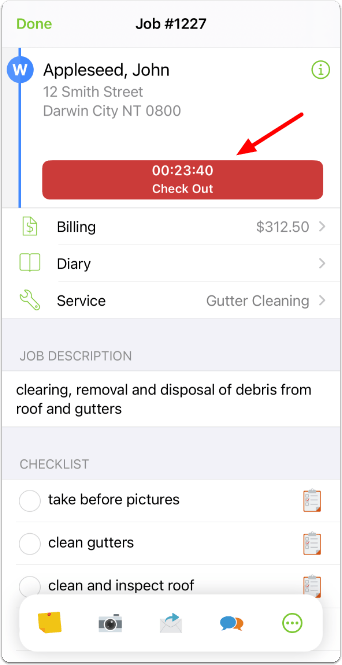
The fix wasn’t more training or more reminders. It was removing the manual step entirely: pair the checkout “follow-up required” question with a mandatory queue assignment at that same moment, so the engineer is prompted to pick who it goes to right there and then, on-site, before they move to the next job. No separate task to remember. No second action required later in the day. The routing happens as part of finishing the job, not as a task someone does afterwards if they remember.
If you’ve got a process in your business that depends on “and then someone remembers to move it,” that’s the bit to look at. It’s not a discipline problem. It’s a process with a gap in it.

